Few natural stone comparisons generate as much confusion as marble vs travertine.
Both are associated with architecture that has survived for centuries. Both can transform interiors and exteriors. Both offer genuine variation that manufactured materials attempt to imitate.
Yet visually and technically, they create very different architectural experiences.
Understanding those differences makes stone selection much easier.
First: Travertine Is Not Marble
One of the most frequently asked questions online is whether travertine is simply another type of marble. It is not.
Travertine is a form of limestone created through the precipitation of calcium carbonate, commonly associated with mineral-rich water systems. Marble, by contrast, results from limestone that has been transformed through heat and pressure.
They share a calcium-carbonate basis, which helps explain why both require appropriate care around acidic substances.
But their structures and visual identities are very different.
Marble Is About Veining. Travertine Is About Layers.
Marble can range from nearly uniform white to extraordinarily dramatic patterns.
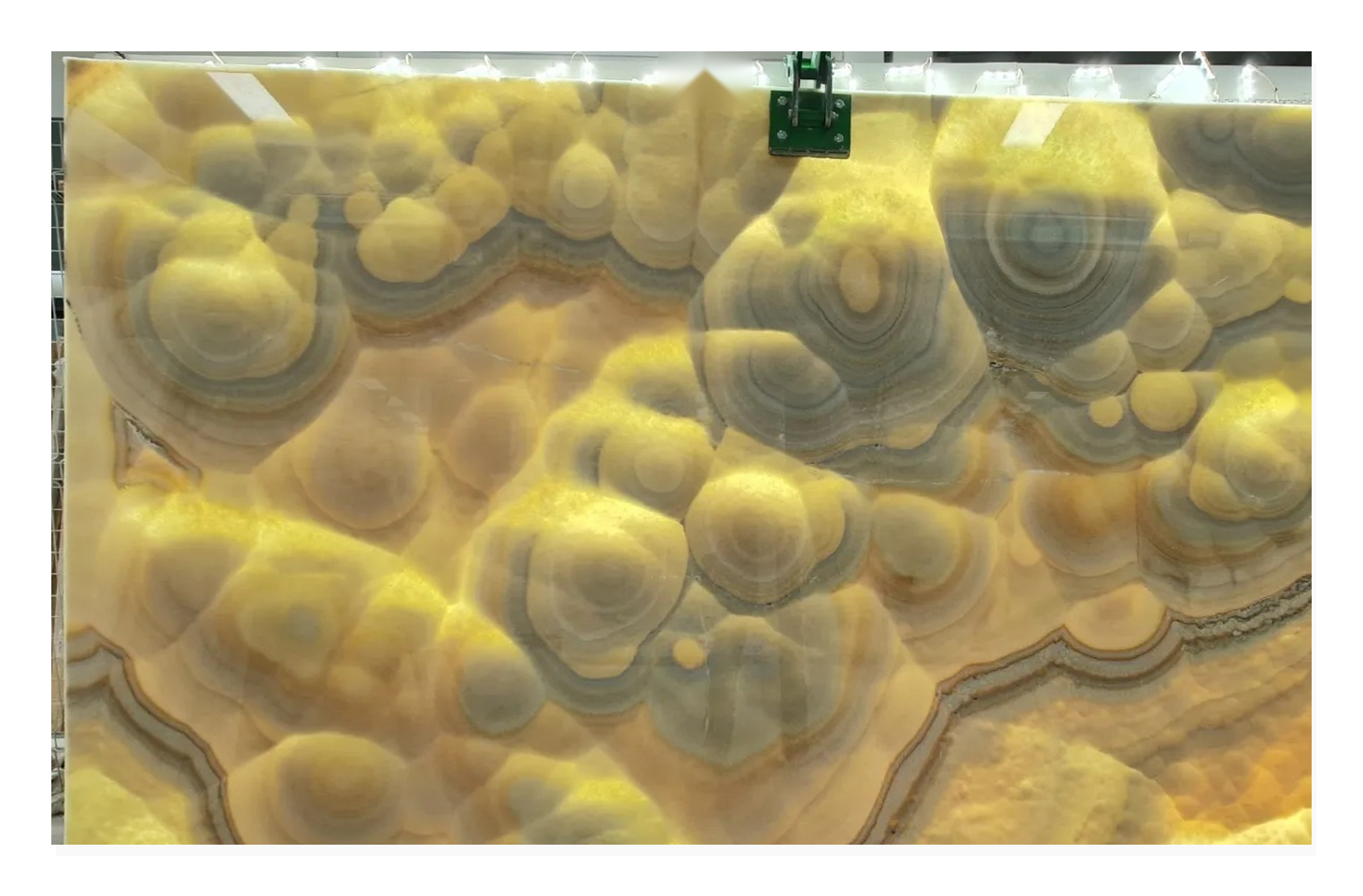
Grey veins, burgundy movement, purple mineral structures, golden clouds and deep contrasting lines can transform a marble slab into something approaching abstract art.
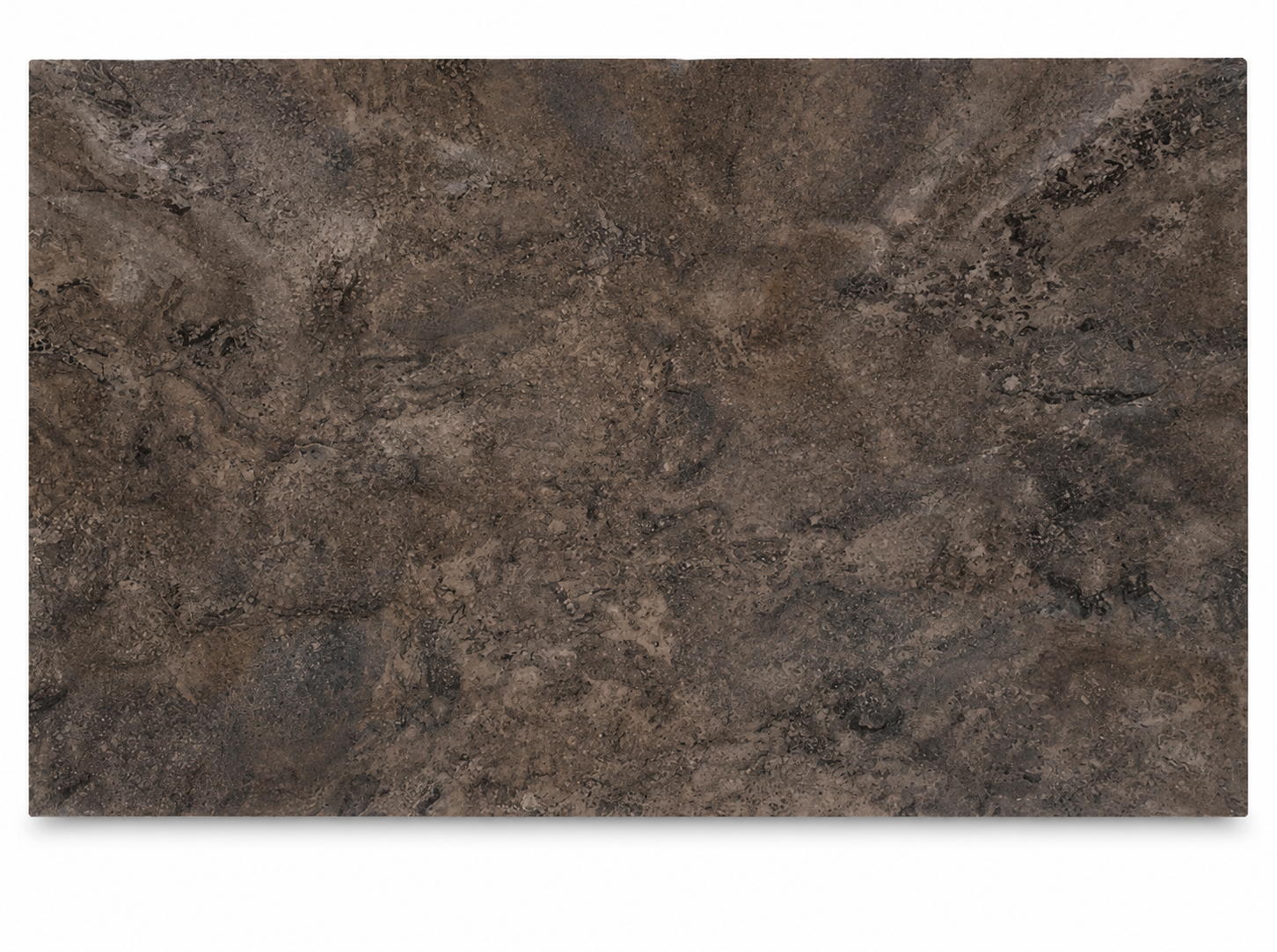
Travertine tends to communicate differently. Its architecture comes from sedimentary layers, tonal movement and characteristic voids.
When vein-cut, these layers become long horizontal or vertical lines. When cross-cut, the stone develops a softer, more organic cloud pattern.
For that reason, marble is often selected when the design needs a strong visual focal point, while travertine is especially successful when the intention is warmth, texture and continuity.
Which Is Better for Flooring?
There is no universal answer.
The correct question is: What type of floor, in what environment, with what finish and expected traffic?
For an elegant hotel lobby, residential entrance or luxury interior, marble can produce remarkable results.
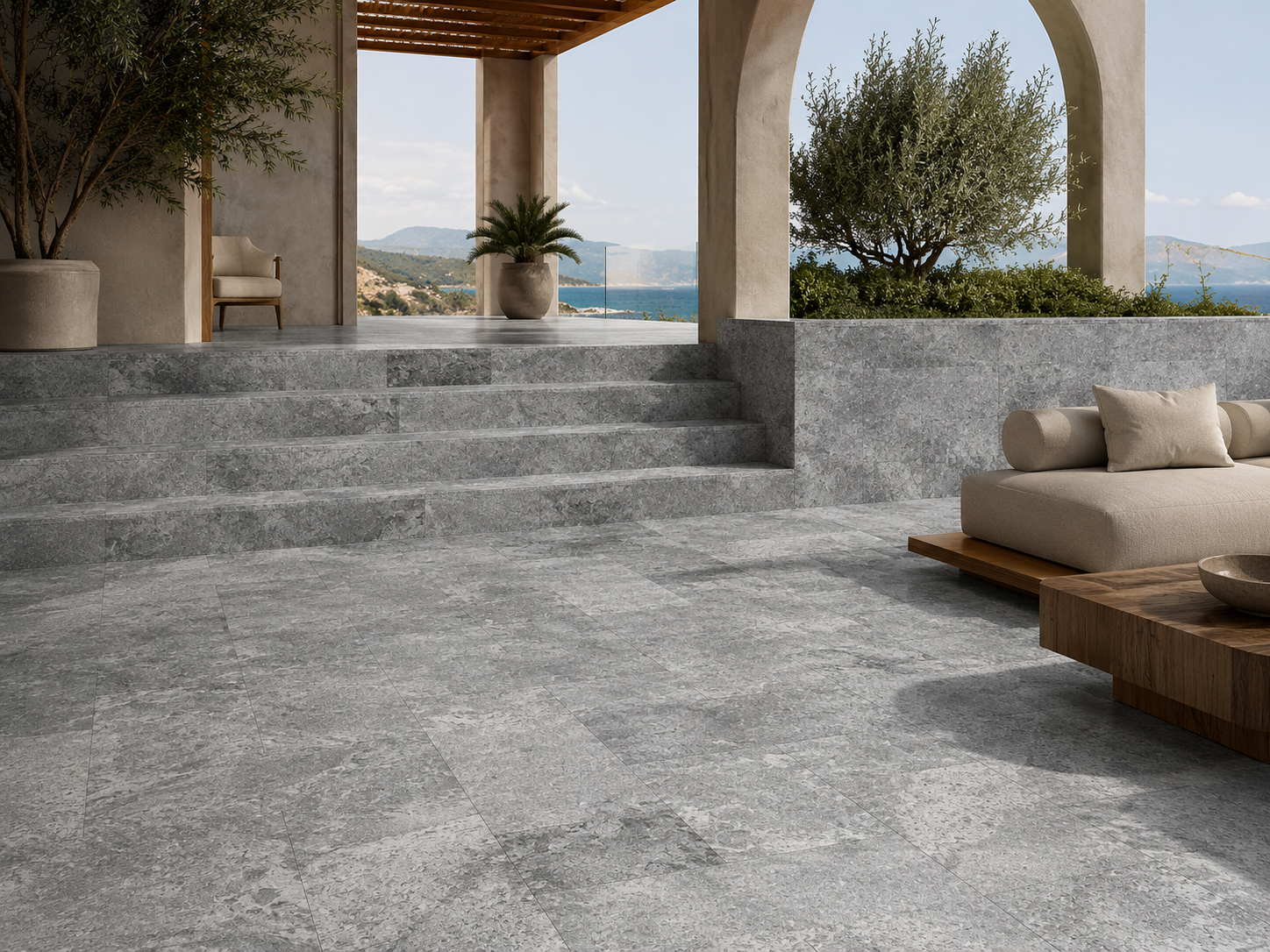
Travertine can create a warmer and more relaxed atmosphere, particularly in villas, resorts, terraces and Mediterranean-inspired interiors.
The finish matters enormously. Highly polished stone behaves differently visually and underfoot than honed or textured stone. Exterior and wet-area flooring should therefore be selected according to the project's required slip performance rather than appearance alone.
What About Bathrooms?
Both materials can work beautifully in bathrooms.
Marble creates a refined, often more graphic appearance. Travertine produces a softer, spa-like atmosphere.
The important point is understanding that both are natural calcium-based stones.
Natural Stone Institute guidance warns that acidic cleaners such as products containing vinegar or lemon can dull or etch calcareous stones. Stone-specific, non-acidic cleaning products are therefore the safer approach.
A common misconception is that sealing makes natural stone completely stain-proof. It does not.
Impregnating sealers are primarily intended to increase resistance to staining; they do not make every stone impervious. Some stones may require treatment while others may not, depending on the material and application.
Which Is Better Outdoors?
This is where selection becomes more technical.
Travertine is widely associated with terraces, landscaping and pool environments, while both marble and travertine can be used in certain exterior applications.
But material names alone do not determine suitability.
Different limestones and travertines can have very different absorption values, and the Natural Stone Institute specifically notes significant variation within this stone family.
For exterior projects — particularly in climates with repeated freezing and thawing — architects should consider the properties of the specific stone, installation system, water management and relevant test data.
ASTM standards referenced by the Natural Stone Institute include specifications specifically covering exterior marble, limestone and travertine as well as tests for water absorption, compressive strength and flexural strength.
In other words: “Travertine is good outdoors” is too simple. So is: “Marble should never be used outdoors.” The correct answer depends on the stone and the project.
Which Is Easier to Maintain?
Neither material should be selected on the assumption that natural stone requires zero care.
Both can develop patina. Both benefit from appropriate cleaning. Both should be protected from inappropriate acidic chemicals. And both can remain beautiful for a very long time when specified and maintained correctly.
The choice is therefore not really about finding a stone that never changes. It is about deciding how you want the material to age.
Marble or Travertine?
Choose marble when the project calls for dramatic veining, strong visual identity, refined interiors, sculptural applications or statement surfaces.
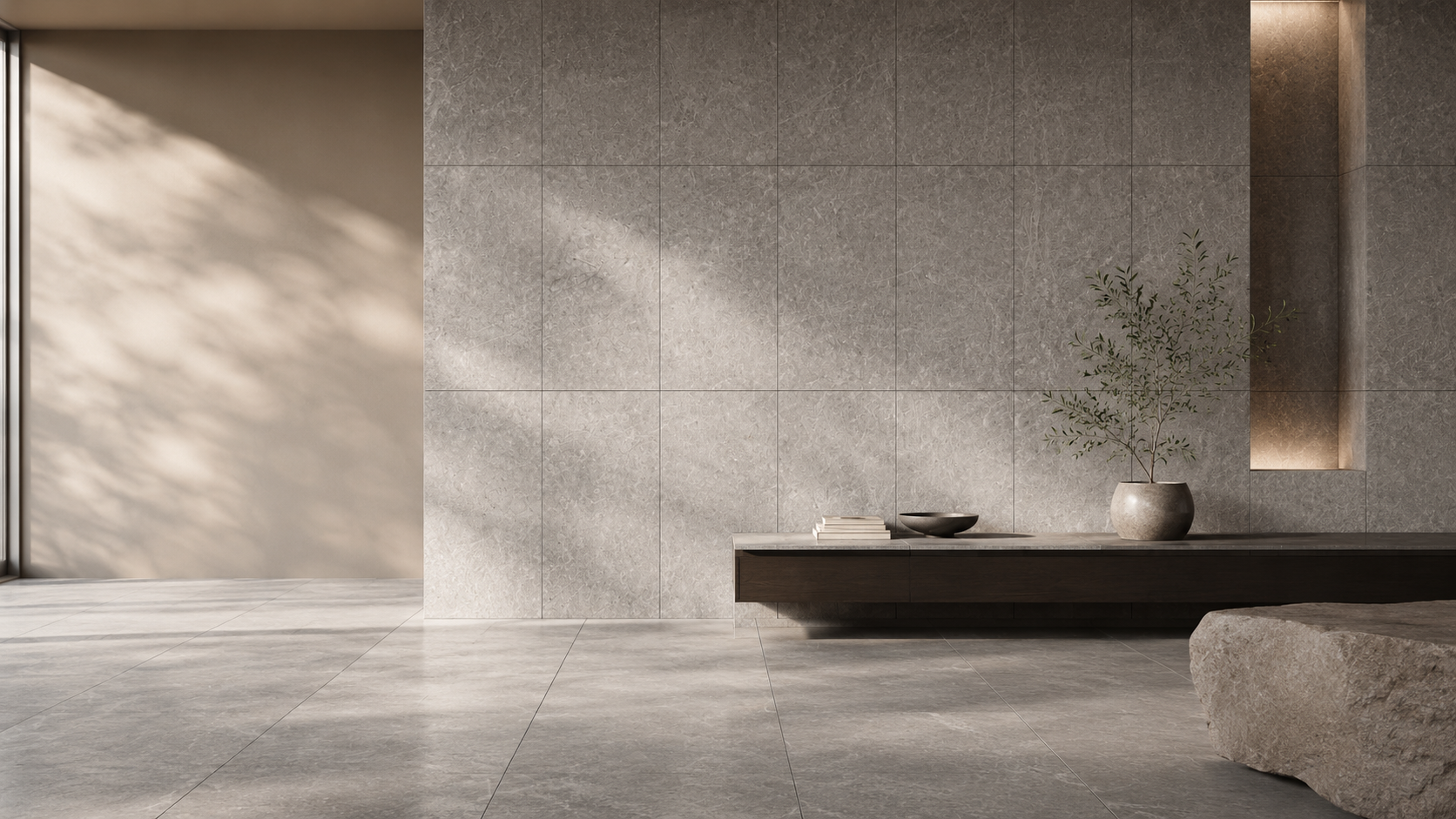
Choose travertine when the project calls for warm neutral tones, architectural layering, indoor-outdoor continuity, terraces, pool surroundings or a softer material palette.
But the best projects often use both.
A marble focal point can sit beautifully within a quieter travertine environment. Travertine can create architectural calm while marble delivers visual emphasis.
Stone selection should not be a competition. It should be a composition.
Research References
- Natural Stone Institute — Limestone and travertine varieties
- Natural Stone Institute — Stone care and cleaning
- Natural Stone Institute — ASTM standards
- Saturnia Travertini — Cross cut vs vein cut travertine